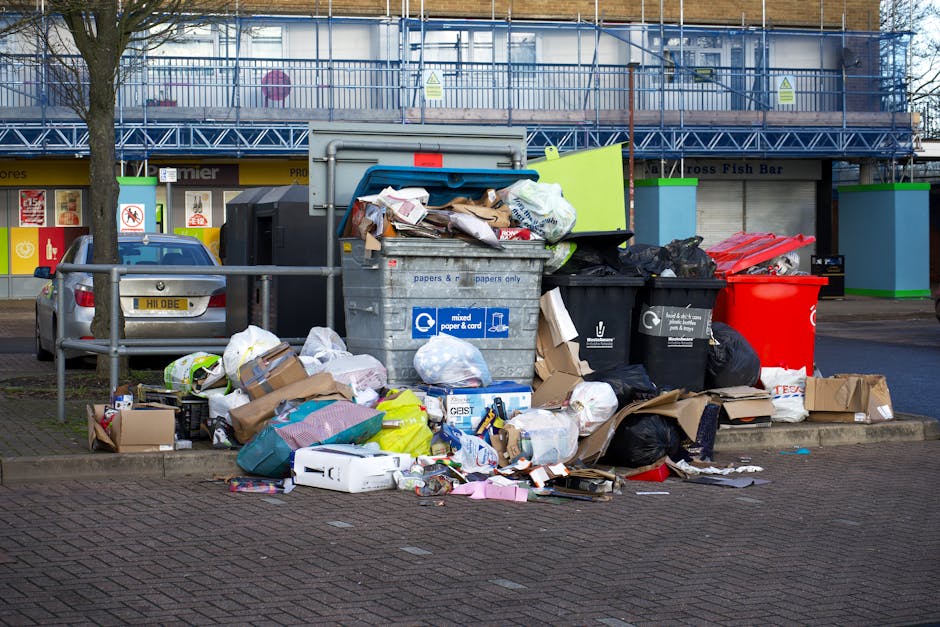
Dartmouth Road bulky rubbish collection tips Forest Hill

If you are dealing with bulky rubbish on Dartmouth Road, Forest Hill, the job can feel bigger than it first looks. One sofa becomes two chairs, then a mattress, then a pile of flat-pack offcuts, and suddenly the hallway is full and the clock is ticking. The good news? With a sensible plan, bulky waste collection does not have to be stressful, messy, or expensive. This guide to Dartmouth Road bulky rubbish collection tips Forest Hill walks you through the practical steps that actually help: what to sort, how to prepare items, how to avoid delays, and when a professional clearance makes far more sense than trying to wrestle everything out yourself.
We will also cover local realities, safe handling, compliance, and a few easy wins that make a surprising difference. To be fair, a bit of preparation goes a long way.
- Why Dartmouth Road bulky rubbish collection tips Forest Hill matters
- How bulky rubbish collection works
- Key benefits and practical advantages
- Who this is for and when it makes sense
- Step-by-step guidance
- Expert tips for better results
- Common mistakes to avoid
- Tools, resources and recommendations
- Law, compliance, standards, or best practice
- Options, methods, or comparison table
- Case study or real-world example
- Practical checklist
- Conclusion
- Frequently asked questions
Why Dartmouth Road bulky rubbish collection tips Forest Hill matters
Bulky rubbish is not just "extra stuff". It is the awkward, heavy, or oversized material that gets in the way of daily life: broken wardrobes, old beds, tired sofas, garden cuttings, damaged appliances, and renovation leftovers. On a busy street like Dartmouth Road, even a small pile can quickly become inconvenient if it blocks access, sits in a front garden too long, or attracts attention from passers-by.
Local collection also matters because the logistics are different from clearing a detached house with a driveway. Flats, terraced homes, tighter parking, and shared entrances all change how the job should be done. If you have ever tried moving a bulky wardrobe down a narrow stairwell at 7am, you will know exactly what I mean. One awkward corner and the whole plan starts to wobble.
There is another reason this topic matters: good preparation often saves time and money. Sorting items, checking what can be reused or recycled, and choosing the right removal method can reduce the number of trips needed and minimise the risk of damage to walls, stair rails, and door frames. In many cases, the difference between a smooth clearance and a frustrating one is simply organisation.
For households, landlords, letting agents, small businesses, and anyone managing a move or refurbishment, bulky waste is often the one task that eats up more energy than expected. The aim here is simple: make the process calmer, safer, and more efficient.
Expert summary: The most successful bulky rubbish clearances are usually the boring ones, in the best possible way. Clear access, sorted items, sensible timing, and the right service choice. Nothing glamorous. Everything effective.
How Dartmouth Road bulky rubbish collection tips Forest Hill works
The basic process is straightforward, but the details matter. First, identify exactly what needs removing. Then decide whether the items are suitable for reuse, recycling, or disposal. After that, check access: stairs, lifts, parking, shared hallways, gate widths, and any restrictions around loading. Only once you know the real shape of the job should you choose a collection method.
In practice, bulky rubbish collection usually falls into one of three routes:
- Self-managed disposal if you have the transport, strength, and time to do it safely.
- Skip-based disposal if you are generating a larger volume over a few days and have the space and permissions to use one.
- Professional collection if the items are heavy, awkward, mixed, or time-sensitive.
For most people on Dartmouth Road, the third option is often the most realistic. Why? Because bulky items are not just about weight. They are about awkward angles, lifting risks, parking constraints, and whether you can get everything out quickly without making a mess of the property.
Professional removal is also useful when you need a single coordinated visit. That can be especially handy after a tenancy change, a house clearance, or a room-by-room declutter. If you are already clearing other spaces, such as a loft or garage, it can make sense to combine tasks and avoid duplicate effort. Services like loft clearance, garage clearance, and house clearance are often part of the same bigger job.
There is also the question of item type. Sofas, mattresses, fridges, and builders' debris are not handled in quite the same way. Some items need special sorting, and others may be subject to extra care because of electrical components, fluids, or contamination. If you have a mixed load, a general waste removal service may be the cleanest route.
Key benefits and practical advantages
Good bulky rubbish planning is not just about getting rid of things. It changes the whole feel of a property. A cluttered room feels smaller, darker, and more stressful. Once the bulky stuff goes, the space tends to breathe again. That sounds dramatic, maybe, but it is true.
Here are the main advantages:
- More usable space: Rooms, hallways, sheds, and front gardens become easier to use again.
- Less risk of damage: Planning lifting routes helps protect walls, floors, and doorways.
- Improved safety: Fewer trip hazards and less manual handling risk.
- Better recycling outcomes: Sorted items are easier to direct into suitable disposal streams.
- Less disruption: A single well-run collection can be far less disruptive than multiple ad hoc trips.
- Cleaner presentation: Important for landlords, agents, and anyone preparing a property for sale or rent.
There is a commercial benefit too. If you are running a small business, clearance can help maintain a professional appearance and keep back rooms, stock areas, or offices workable. For business premises, pairing bulky rubbish collection with business waste removal can make ongoing waste management much simpler.
And for households, the practical payoff is often immediate. A clear landing means fewer arguments. A clear spare room means the guest bed can actually be used. A clear garage means you might finally park the bike somewhere sensible. Small wins, but still wins.
Who this is for and when it makes sense
This guidance is useful for a wide range of people, but it is especially relevant if you are dealing with one of these scenarios:
- Moving home and leaving behind large unwanted items
- Clearing a rented flat between tenancies
- Replacing old furniture or appliances
- Emptying a garage, loft, or storage room
- Finishing a DIY project or light refurbishment
- Preparing a property for sale
- Managing a deceased estate or family clearance
- Clearing office furniture or back-office clutter
It makes sense to think about a professional collection when the items are too large for your car, too awkward to move safely, or too many to shift in a sensible timeframe. It also makes sense if you are on a deadline. Let's face it, deadlines have a way of turning a tidy plan into a scramble very quickly.
Another good moment to book help is when the items include a mix of heavy and specialist waste. A broken fridge, for example, is not just "another bulky item". It may need separate handling, which is why a dedicated fridge and appliance removal option can be a better fit. Likewise, if you are clearing worn-out lounge pieces, mattress and sofa disposal is often more practical than trying to wrestle everything into a single generic load.
Step-by-step guidance
Here is a clear, workable process for handling bulky rubbish on Dartmouth Road without making life harder than it needs to be.
- Walk the property and list everything bulky. Do not guess. Measure the awkward bits, not just the obvious ones.
- Separate reusable, recyclable, and disposable items. Some furniture may be suitable for reuse, while damaged or contaminated pieces need disposal.
- Check whether anything is hazardous or specialist. Paint, chemicals, batteries, certain electrical items, and sharp materials need extra care. If in doubt, treat them separately.
- Clear access routes. Move small items out of the way, unlock gates, and make sure the collection team can reach the load without squeezing through clutter.
- Think about parking and timing. Early mornings, school-run times, and narrow residential parking can all complicate the job.
- Decide whether dismantling helps. Flat-pack furniture, bed frames, and modular pieces are often easier to remove in sections. Keep screws in a bag, though. The tiny bag of screws has a strange talent for vanishing.
- Group items by location. Pile upstairs items together, garden items together, and shed items together. This speeds up loading.
- Take photos if you are getting a quote. Clear photos of all items, plus access points, make estimates more accurate.
- Book the removal and confirm the details. Double-check what is included, the approximate timing, and whether any special items are accepted.
- Do a last sweep before collection. Small bits have a habit of hiding under tables, behind wardrobes, and in the corner by the radiator.
If your clearance involves a whole property rather than just a few pieces, it may be worth looking at home clearance or flat clearance so the job is handled as one coordinated visit.
Expert tips for better results
These are the sorts of practical details that tend to make a clearance feel easy rather than chaotic.
- Measure before lifting. The sofa may look manageable until you reach the stairwell.
- Use the "touch test" for forgotten clutter. If you have not used it in a year and it feels dusty, dented, or water-stained, it is probably ready to go.
- Keep the route wide and clear. Even a small stack of shoes can turn into a trip hazard when something large is moving through.
- Protect communal areas. In flats and shared houses, respectful handling matters. No one likes scuffed paint in the hall on a Wednesday afternoon.
- Keep soft items dry. Mattresses and upholstery become heavier and harder to move if they are damp.
- Separate metal, wood, and mixed materials where practical. It helps with recycling and can reduce handling time.
- Be realistic about DIY lifting. If an item needs two people, do not pretend one will do. Your back will not applaud later.
One practical trick is to stage items close to the exit the day before collection, but only if it does not block access or create a fire risk. For example, placing dismantled shelves in one corner of the hallway and moving bags of smaller debris into a single stacking area can shave a lot of time off the actual removal.
It is also smart to check whether your items are suitable for reuse or donation before you book disposal. If something is still in decent shape, you may prefer to keep it in circulation rather than send it straight to waste. That approach usually feels better, and it often reduces the amount that needs hauling.
Common mistakes to avoid
Most clearance problems are not dramatic. They are just the result of a few avoidable missteps that snowball.
- Leaving everything until the last minute. A same-day scramble leads to rushed decisions and missed details.
- Underestimating weight and awkwardness. A light-looking item can still be difficult to turn through a stairwell.
- Mixing hazardous items with general rubbish. That can create safety and compliance issues.
- Not checking access. A locked side gate or narrow path can derail the whole schedule.
- Forgetting building or parking restrictions. Shared entrances, loading windows, and permit needs can matter a lot on busy streets.
- Assuming all items can go together. Appliances, furniture, rubble, and confidential materials may need different handling.
- Overfilling bins or bags. It sounds efficient, but it usually slows everything down and creates lifting hazards.
One quiet but common mistake is not telling the collector about the full load. People mention the sofa and forget the broken wardrobe, the desk, the rug, and the pile of under-stairs clutter. Then the quote feels off, and everyone has a slightly awkward conversation. Much easier to be upfront from the start.
Tools, resources and recommendations
You do not need specialist equipment for every job, but a few basics make the process easier and safer.
- Work gloves: Useful for sharp edges, splinters, and dusty materials.
- Strong bags or boxes: Good for smaller loose waste, screws, fittings, and mixed debris.
- Measuring tape: Essential for access checks and large furniture dimensions.
- Basic screwdriver or drill: Helpful for dismantling flat-pack furniture and bed frames.
- Labels or marker pens: Ideal if you want to mark reusable items, recycle items, or keep fixings together.
- Phone camera: The easiest way to document the job for quotes and planning.
From a service perspective, it is worth reviewing the options on pricing and quotes before you choose a route. If you want to book without fuss, book online is the most direct next step. And if you want to understand how different materials are handled, the page on recycling and sustainability is a useful place to start.
If you are unsure what can go with a mixed load, especially around renovation leftovers or large household items, what can go in a skip can help you think through categories more clearly, even if you are not actually hiring a skip. A lot of people find it handy just as a reference point.
Law, compliance, standards, or best practice
For bulky rubbish, the main compliance issue is simple: waste must be handled responsibly, and you should be careful about who removes it. In the UK, best practice is to use a reputable waste carrier and to make sure rubbish is not left in a way that creates a nuisance, hazard, or illegal deposit. You do not need to become a legal expert overnight, but you do need to be cautious.
There are a few sensible standards to keep in mind:
- Duty of care: Waste should be transferred to someone who can handle it properly.
- Separation of hazardous materials: Keep items such as chemicals, certain electrical goods, and sharp materials apart unless you know how they should be managed.
- Safe manual handling: Avoid lifting heavy or awkward items alone.
- Respect for shared spaces: Do not block exits, access routes, or communal areas for longer than necessary.
If the job involves sensitive papers or records, a general rubbish pile is the wrong place for them. A dedicated confidential shredding service is better for that kind of material. Likewise, if you are dealing with potentially risky substances or contaminated items, hazardous waste disposal is the more appropriate route.
For larger property projects, safety documentation can also matter. It is sensible to review health and safety policy and insurance and safety information before booking any contractor. That is not overcautious. It is just sensible. Truth be told, nobody enjoys paperwork, but a little of it prevents headaches later.
Options, methods, or comparison table
If you are deciding how to remove bulky rubbish from Dartmouth Road, a quick comparison helps. The right method depends on volume, access, time, and item type.
| Method | Best for | Pros | Watch-outs |
|---|---|---|---|
| Self-disposal | Small loads and easy-to-carry items | Flexible and low-cost if you already have transport | Time-consuming, lifting risk, multiple trips |
| Skip hire | Ongoing DIY work or larger mixed loads | Useful for gradual filling over several days | Space, permits, and loading restrictions may apply |
| Professional bulky collection | Heavy, awkward, urgent, or mixed items | Fast, convenient, and usually less stressful | Needs accurate information for the quote |
For many local households, professional collection is the most efficient option because it reduces disruption and handles the lifting for you. For renovation jobs or recurring commercial waste, a broader service such as builders waste clearance or office clearance may be more suitable than a one-off furniture pick-up.
If the load is mostly household furniture, you might also compare furniture clearance with furniture disposal. The first is broader and useful for mixed household items; the second is more focused when the main issue is large old furniture. Small distinction, but it matters.
Case study or real-world example
Here is a realistic example from the kind of job that comes up all the time. A family on Dartmouth Road is preparing a rental flat for new tenants. The property has a damaged wardrobe, an old sofa, a mattress, a broken coffee table, and several bags of mixed clutter from cupboards and the hallway. Nothing extreme. Just enough to be annoying.
The first instinct is to "just sort it out over the weekend". That usually means a late start, a couple of trips downstairs, one item that does not fit through the door, and a hallway that looks messier by Sunday afternoon than it did on Friday.
A better approach is to group the items by type, check access, and decide what needs specialist handling. The sofa and mattress go into the appropriate disposal route. The wardrobe is dismantled so it can be moved safely. Small mixed waste is bagged separately. Photos are taken before collection so the job is quoted accurately. On collection day, the access route is clear, the job is loaded in one visit, and the flat is ready for cleaning.
The key lesson? The job felt easier not because the waste disappeared by magic, but because the planning happened before anyone started lifting. That is the part people underestimate.
Practical checklist
Use this quick checklist before your bulky rubbish collection on Dartmouth Road:
- List every bulky item, including small extras hidden around the property
- Measure large items and note awkward access points
- Separate reusable, recyclable, and disposable items
- Keep hazardous or specialist items apart
- Dismantle furniture where it makes sense
- Clear hallways, steps, and entrances
- Check parking, timing, and any property restrictions
- Take clear photos if requesting a quote
- Confirm what is included in the collection
- Do one final sweep before the team arrives
Quick takeaway: If you prepare properly, bulky rubbish collection becomes a neat, controlled task instead of a stressful one. That is the whole game, really.
Get a free quote today and see how much you can save.
Conclusion
Sorting out bulky rubbish on Dartmouth Road does not need to be a hassle. With a bit of planning, the right disposal route, and a realistic sense of what needs lifting, you can clear space quickly and safely. Whether you are managing a home move, a renovation, a landlord turnaround, or just one of those long-overdue clear-outs, the principles stay the same: sort first, lift safely, keep access clear, and choose the method that fits the job rather than forcing the job to fit the method.
If you want a smoother experience, think beyond the single item in front of you and look at the whole space. That is where the real savings come from. A well-handled clearance is quiet, efficient, and strangely satisfying. You know it when you see it.
And once the bulky stuff is gone, the room feels lighter in a way you can almost hear. That bit never gets old.
Frequently Asked Questions
What counts as bulky rubbish in Forest Hill?
Bulky rubbish usually means large or awkward items that do not fit easily into a standard bin, such as sofas, wardrobes, mattresses, appliances, shelving, and mixed household clutter. The exact mix can vary, so it is worth listing everything before arranging collection.
How do I prepare items for collection on Dartmouth Road?
Start by sorting items, removing loose contents, dismantling what you safely can, and clearing access routes. If items are heavy or awkward, do not force them through tight spaces without planning first. That is where people often run into problems.
Is it better to use a skip or a bulky waste collection?
It depends on the job. A skip can suit ongoing DIY work or a larger project with enough space to place it. A bulky collection is usually better for heavy furniture, mixed household waste, and situations where you want everything removed in one visit.
Can furniture and appliances be collected together?
Often yes, but it depends on the items and how they need to be handled. Furniture and appliances may be processed differently, so it helps to mention everything in advance. Fridges, for example, are best treated as specialist items.
Do I need to dismantle furniture before collection?
Not always, but dismantling can make removal safer and quicker. Bed frames, flat-pack units, and modular pieces are often easier to move in sections. If you can do so safely, it usually helps.
What if I only have a few large items?
Even a small number of bulky items can be worth collecting professionally if they are heavy, awkward, or time-sensitive. A single sofa or mattress can be more trouble than a larger bagged load if access is tight.
How do I know whether something is hazardous?
If an item contains chemicals, sharp materials, pressurised contents, batteries, or contaminated waste, treat it with caution. If you are unsure, keep it separate and ask for guidance rather than mixing it in with general rubbish.
Can I put old electronics with bulky rubbish?
Some electronics may be accepted, but they should not just be bundled in blindly. Electrical items often need separate handling because of components and recycling requirements. It is better to flag them early.
What should I do with confidential papers or files?
Do not place them in a general rubbish pile if they contain personal or business information. Confidential materials are better managed through a dedicated shredding route so they are handled properly.
How can I keep costs down?
Sort items before collection, make access easy, and provide accurate information when requesting a quote. Combining multiple tasks into one visit can also help. A bit of preparation usually saves more than people expect.
Will bulky rubbish collection damage my property?
It should not, provided the items are moved carefully and the access route is planned. Protecting walls, corners, stair rails, and floors is part of good practice. If access is especially tight, it is worth mentioning that in advance.
What is the next sensible step if I am ready to clear my items?
Make a simple list, take a few photos, decide which items need special handling, and then arrange a collection. If you want to move quickly, booking online is usually the easiest starting point.