Forest Hill Horniman Museum rubbish removal guide
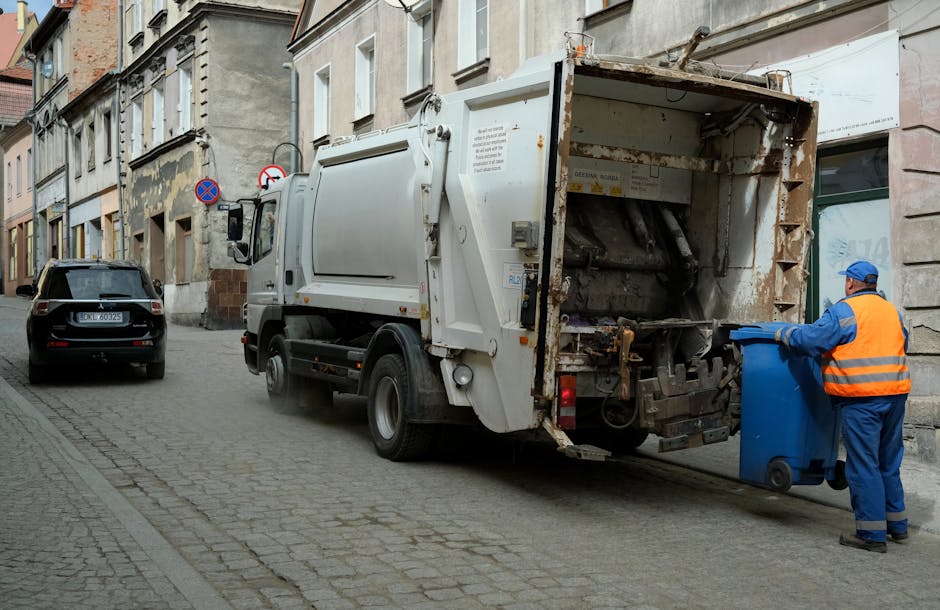
If you are planning a clear-out near the Horniman Museum, whether that is after a home refresh, a small business tidy-up, or a one-off bulky waste job, this Forest Hill Horniman Museum rubbish removal guide will help you sort it properly. The tricky bit is rarely the lifting. It is usually the planning: what can go, what needs special handling, what is safest to move first, and how to avoid turning a simple job into a messy afternoon. Around Forest Hill, that matters a lot because streets can be busy, access can be tight, and nobody wants waste sitting around longer than it has to.
This guide keeps things practical. You will find step-by-step advice, common mistakes, a comparison of disposal options, and a realistic checklist you can use before booking or loading anything. If you want to understand your options more broadly too, the main waste removal service page, the pricing and quotes information, and the company's recycling and sustainability approach are sensible places to compare details once you know what you need.
Let's get into it. Because honestly, rubbish removal looks easy until you are the one stood by a hallway full of bags, a broken chair, and a fridge that suddenly feels much heavier than it did yesterday.
Why Forest Hill Horniman Museum rubbish removal guide Matters
Forest Hill has its own rhythm. Near the Horniman Museum, you have a mix of residential streets, local visitor traffic, parking constraints, and the everyday pressure of London life. That combination makes rubbish removal more than a simple "throw it out" task. It becomes about timing, access, sorting, and being considerate to neighbours and passers-by.
Why does that matter? Because waste left in the wrong place can create avoidable problems: obstructed pavements, complaints from neighbours, unwanted smells, pests, or damage to shared entrances. If you are clearing a flat, a family home, a rental, or a workspace, the challenge is usually not the waste itself. It is how to remove it without disrupting the area around it.
In practical terms, a good rubbish removal plan near Horniman Museum should do three things well:
- keep access clear for residents, visitors, and service vehicles
- separate general rubbish from reusable items and specialist waste
- move the load quickly so your space is usable again the same day
That sounds straightforward, and sometimes it is. But on a busy day, even one awkward mattress or a pile of broken furniture can slow everything down. A clear guide saves time, money, and a bit of stress. And to be fair, that stress often shows up right when you are least in the mood for it.
Key takeaway: Near the Horniman Museum, the best rubbish removal is the kind that keeps the area tidy, respects access, and avoids mixing waste types that should be handled differently.
How Forest Hill Horniman Museum rubbish removal guide Works
Most rubbish removal jobs follow a similar pattern, whether you are clearing a single item or a full property. The difference is in the preparation. A small bit of organisation up front tends to make the actual removal much smoother.
Typical process
- Identify the waste. Sort items into general rubbish, bulky waste, furniture, electricals, garden waste, and anything hazardous.
- Estimate volume. A hallway bag pile and a full garage are very different jobs. Volume affects vehicle size, labour time, and cost.
- Check access. Think about stairs, lifts, shared entrances, parking, and whether items need to be carried through narrow routes.
- Book the right service. Not every load should go into the same disposal stream. Fridges, mattresses, and renovation debris may need different handling.
- Prepare the items. Put small rubbish into bags, flatten cardboard, unplug appliances, and remove personal items from furniture or drawers.
- Remove and load safely. A careful team will protect walls, watch lifting points, and avoid dragging items across floors.
- Dispose of and sort responsibly. Reusable and recyclable materials should be separated where possible, while special waste is handled correctly.
If you are dealing with a mixed load, the details matter. A box of old books is one thing. A broken fridge, a cracked mirror, and some paint tins are another. The latter needs more care, and sometimes a different route altogether.
That is also why many people choose to compare a general clearance with dedicated services such as furniture clearance, fridge and appliance removal, or hazardous waste disposal when the load is not just ordinary household rubbish. Those pages are useful when you want a cleaner fit between the job and the disposal method.
Key Benefits and Practical Advantages
There is a reason people increasingly prefer organised rubbish removal instead of trying to manage everything piecemeal. It is not just about convenience, although that is a big part of it. The real value is in reducing friction across the whole job.
1. Faster clear spaces
Once the waste is gone, the space becomes usable again. That can matter if you are moving out, preparing for cleaners, staging a flat for letting, or simply trying to reclaim the spare room that has quietly become a storage cave.
2. Less risk of injury or damage
Heavy items, sharp edges, and awkward stair turns are a bad mix. In a compact Forest Hill property, you are often dealing with tight corners and older layouts. Proper lifting and carrying reduce the chance of smashed skirting boards, scratched floors, or a sore back the next morning.
3. Better sorting and recycling outcomes
When waste is separated well, more of it can be recycled or reused. That is better for the environment, and usually cleaner from a practical standpoint too. For many households, the difference between a pile of "stuff" and a sorted load is the difference between confusion and control.
4. More predictable costs
Clear item lists and accurate photos usually lead to cleaner quotes. Nobody likes a surprise price increase on the day. If you want to understand how a quote may be put together, the site's pricing and quotes page is worth a look.
5. Less disruption to neighbours and visitors
Near the Horniman Museum, you may have pedestrians, families, and parked cars nearby. A tidy, quick removal is less intrusive than leaving waste outside for hours. Truth be told, that small courtesy makes a big difference in busy areas.
Who This Is For and When It Makes Sense
This guide is useful for a wide range of people, and not just those doing a dramatic house purge. Most rubbish removal needs are actually pretty ordinary. They just happen at inconvenient times.
Common situations
- Homeowners clearing lofts, spare rooms, garages, or sheds
- Tenants moving out and dealing with leftover furniture or bags of general waste
- Landlords and letting agents preparing a property between occupancies
- Businesses disposing of office clutter, packaging, or obsolete furniture
- Tradespeople needing builders' waste moved after a small refit
- Families handling a full home clear-out after a life change
It also makes sense when the waste is too much for normal bins but not enough to justify a complicated setup. For example, one room filled with old furniture, several bin bags, and a few broken small appliances is often best handled as a coordinated removal rather than a series of weekend trips to different disposal points.
If the job is linked to a larger property clearance, service pages like home clearance, house clearance, flat clearance, or office clearance can help you match the service to the setting. That is a lot cleaner than trying to make one generic solution fit every job.
Step-by-Step Guidance
If you want the easiest possible result, do the prep in stages. A bit of structure now saves a lot of dragging things around later.
Step 1: Walk the space first
Look at what is actually there. Not what you think is there. It is surprisingly common to discover that a "few bags" includes a broken table, a printer, three boxes of cables no one recognises, and an old fan that hums when moved. Make a quick inventory.
Step 2: Sort by type
Group items into clear categories:
- general rubbish
- bulky furniture
- electrical items
- metal and mixed recycling
- garden or outdoor waste
- special waste such as paints, chemicals, or damaged appliances
This is where a dedicated page like garden clearance may be relevant if your load includes branches, soil, turf, or outdoor debris. Garden waste is often heavier and messier than people expect.
Step 3: Remove obvious hazards
Pick out anything sharp, leaking, wet, or unstable. If there are batteries, chemicals, broken glass, or suspected hazardous materials, stop and treat them separately. Better to pause for five minutes than deal with a problem later.
Step 4: Measure access points
Check door widths, stair bends, lift sizes, and where a vehicle can park. A lot of delays happen because items simply cannot turn the corner as planned. If you know the awkward bit in advance, you can plan around it.
Step 5: Decide what can be reused
Sometimes a piece of furniture is only "rubbish" because it is no longer needed. Good-condition items can be redirected rather than discarded. That is where thoughtful sorting and a recycling-minded approach pay off.
Step 6: Prepare the removal area
Clear a route to the waste, lay protection if needed, and keep pets or children away from the work area. A clear path makes the whole job calmer. Less shuffling. Less muttering under your breath.
Step 7: Book the right service and timing
Morning slots are often easier for access in busy areas. If you are near the museum or a road with regular traffic, the timing can make a noticeable difference. Once you know the job size, you can choose a service that fits the volume and urgency rather than guessing.
Expert Tips for Better Results
After many clear-outs, a few patterns become obvious. Small habits make big jobs easier. Always.
Keep mixed waste separate where possible
Do not throw everything into one giant pile if you can avoid it. Mixed waste is slower to sort and more likely to create disposal issues. Even a rough separation between furniture, electricals, and general rubbish helps.
Photograph the load before booking
Pictures beat vague descriptions. One photo of a room can reveal more than ten messages. It helps with pricing, vehicle planning, and deciding whether a general waste removal job is enough or whether something specialised is needed.
Remove contents from furniture
Drawers, cupboards, under-bed storage, and desk trays often hold more than you think. Emptying them before removal avoids accidental spills and speeds up handling.
Watch for specialist items
Mattresses, sofas, fridges, and certain office items may need separate disposal methods. If the load includes a sofa that has seen better days or a mattress that has outlived its welcome, the dedicated mattress and sofa disposal page is a practical reference.
Plan around building routines
If you are in a block of flats or a shared building, try to avoid times when bins are already full, hallways are busy, or neighbours are moving in and out. A little coordination prevents a lot of awkwardness.
Use the job to declutter properly
If you are already moving items, take the chance to decide what really needs to go. It sounds obvious, but half-finished clear-outs have a habit of coming back. Three months later, there it is again. In the way.
Common Mistakes to Avoid
Some rubbish removal problems are easy to avoid, but only if you know the traps. Here are the most common ones.
- Underestimating volume. Bags and boxes always multiply once you start moving them.
- Ignoring access. What looks fine from the hallway can be impossible around a stair bend.
- Mixing hazardous items with general waste. This creates avoidable safety and compliance issues.
- Leaving waste outside too long. It can look untidy, attract complaints, and become harder to manage.
- Forgetting about heavy appliances. Fridges and freezers are not just bulky; they are awkward and need careful handling.
- Choosing the wrong type of clearance. A one-size-fits-all approach often costs more in the end.
Another common slip? Leaving "maybe keep" items in the pile. That usually means they get moved twice. Once by hand, once by regret. Best to decide before the lifting starts if you can.
Tools, Resources and Recommendations
You do not need a giant toolkit for rubbish removal, but a few basics help. The goal is to keep things tidy, safe, and efficient.
Helpful tools at home
- heavy-duty bin bags
- moving gloves
- packing tape
- marker pen for labelling
- cardboard boxes for smaller loose items
- blankets or floor protection for narrow routes
Useful service pages to review
If your job includes a very specific waste type, it helps to review the matching page before you book. For instance, builder debris is not the same as office clutter, and appliance disposal needs different handling from a standard household tidy-up. Relevant pages include builders waste clearance, business waste removal, fridge and appliance removal, and confidential shredding.
When to ask for a quote first
If the load includes multiple item types, is spread across several rooms, or involves stairs and parking constraints, get a quote before the day. It is simply easier. The site's book online option can also be helpful when you already know what needs taking away and just want to move forward.
Small recommendation from experience
Label bags by room if you are clearing a larger property. It feels a bit old-fashioned, but it keeps everyone sane. Kitchen, loft, office, garage. That simple step saves time when the removal team arrives and the work starts quickly.
Law, Compliance, Standards, and Best Practice
This kind of work sits inside everyday UK waste best practice, and even when you are only dealing with household rubbish, it is still worth handling it properly. The exact rules can vary depending on the waste type and who is doing the removal, so this section stays intentionally cautious.
As a general rule, waste should be stored safely, not obstruct public spaces, and not contain items that require specialist treatment mixed into ordinary rubbish. Businesses have additional responsibilities around waste handling, record keeping, and using appropriate disposal routes. Households still benefit from the same disciplined approach, even if the obligations are different.
A responsible provider should also work in a way that reflects safe lifting practices, suitable vehicle use, responsible sorting, and clear communication about what can and cannot be taken. That is where pages like health and safety policy, insurance and safety, and payment and security help build confidence before you book.
If you are dealing with confidential paperwork, office files, or anything private, do not just put it into a standard waste pile. Use a disposal route that suits the material. That is what makes confidential shredding worth considering for businesses and home offices alike.
Best practice in plain English: separate, label, handle safely, and never guess about potentially hazardous material. If in doubt, ask first. It is a lot less dramatic than having to sort it out after the fact.
Options and Comparison Table
Different waste problems need different solutions. Here is a simple comparison to help you decide what fits best.
| Option | Best for | Advantages | Watch-outs |
|---|---|---|---|
| General rubbish removal | Mixed household waste, bags, small bulky items | Quick, flexible, good for one-off clear-outs | May not suit specialist waste |
| Furniture-focused clearance | Sofas, wardrobes, tables, mixed home furniture | Better for large, awkward items | Condition and access can affect handling |
| Appliance removal | Fridges, freezers, cookers, washing machines | Suitable for heavy or awkward appliances | Some items need specific care |
| Builders' waste clearance | Rubble, plasterboard, tiles, renovation debris | Useful for refurb jobs and small site clear-ups | Heavy loads may need more planning |
| House or flat clearance | Whole-property or multi-room clear-outs | Good for larger projects and time-sensitive moves | Needs more sorting and coordination |
The main decision point is usually simple: are you moving ordinary mixed rubbish, or are you dealing with a load that has one dominant type? If it is the latter, a targeted service is usually cleaner and often easier to organise.
Case Study or Real-World Example
Imagine a small two-bedroom flat off the routes that lead towards the Horniman Museum. The tenant has moved out, and what is left behind is a fairly typical mess: two broken dining chairs, a mattress, a pile of black bags, an old kettle, a small chest of drawers, and some packaging from flat-pack furniture. Nothing unusual. But the building has a narrow stairwell and limited waiting space outside.
The smartest approach would be to:
- sort the waste into bags, furniture, and electricals
- remove anything personal or confidential first
- check stair access and identify the safest carrying route
- separate the mattress and appliance items for proper handling
- book the job for a time when access is less crowded
In that kind of situation, the job is not really about force. It is about order. A tidy plan keeps the hallway clear and avoids the "everyone stood in the wrong place at once" problem that turns a simple removal into a small drama.
That example also shows why a broader flat clearance or home clearance service can be more useful than a narrow one-item pickup when several waste types are involved. The right fit saves time, and time is usually what people are trying to save in the first place.
Practical Checklist
Use this checklist before any rubbish removal job near Horniman Museum. It keeps things simple and stops small jobs from becoming awkward ones.
- Have I listed everything that needs to go?
- Have I separated general waste from furniture, electricals, and special items?
- Are any items hazardous, leaking, or sharp?
- Do I know where the waste is being stored before collection?
- Is the access route clear of trip hazards?
- Do I need help carrying anything down stairs?
- Have I checked parking or loading access?
- Have I removed contents from drawers, cupboards, and appliances?
- Do I have photos ready if I need a quote?
- Have I chosen the most suitable service type?
- Have I put aside anything I want to keep, donate, or sell?
- Is the removal time realistic for neighbours and building rules?
If that list feels a bit long, fair enough. But once you have done it once, it becomes second nature. And the next time, the whole thing takes about five minutes.
Conclusion
A well-planned Forest Hill Horniman Museum rubbish removal guide is really about making a busy life easier. You want the waste gone, the space clear, and the process handled without fuss. That means sorting items properly, checking access, choosing the right disposal route, and keeping safety in mind from the start.
For some jobs, a simple general clearance is enough. For others, the smarter move is to use a more specific service such as furniture, appliance, garden, or office clearance. Either way, a little planning pays off. It saves energy, reduces mistakes, and makes the whole thing feel far less overwhelming than it looked from the doorway.
And once it is all gone, there is usually that oddly satisfying moment when the room sounds different. Quieter. Better somehow. That is the bit people remember.
Get a free quote today and see how much you can save.
Frequently Asked Questions
What is the best way to arrange rubbish removal near the Horniman Museum?
The best way is to sort the waste first, check access and parking, and choose a service that matches the waste type. If the load is mixed, take photos and request a quote before booking.
Can I mix furniture, bags of rubbish, and electrical items together?
You can sometimes have them collected together, but it is better to separate them where possible. That makes handling easier and helps make sure each item is dealt with appropriately.
Do I need a specialist service for a fridge or freezer?
Yes, that is usually sensible. Fridges and freezers need careful handling, and a dedicated appliance removal service is often the cleaner option for safety and disposal reasons.
How do I know if my waste counts as hazardous?
If it includes chemicals, paints, oils, contaminated materials, or anything that could leak or cause harm, treat it cautiously. When in doubt, keep it separate and ask for guidance before booking.
Is rubbish removal suitable for a flat with narrow stairs?
Yes, but access needs to be checked in advance. Narrow stairs, tight turns, and shared entrances can affect timing, safety, and the way items are carried out.
What should I do before booking a clear-out?
Make a quick list of the items, take a few photos, and decide whether anything should be reused, donated, or kept. That small bit of prep can make the quote and collection much smoother.
Can I use this guide for a business premises near Forest Hill?
Absolutely. Offices, studios, and shops often generate mixed waste, packaging, old furniture, or paper records. In those cases, business-focused disposal and even confidential shredding may be more suitable.
What if I only have a few items to remove?
A small collection can still be worthwhile if the items are awkward, heavy, or difficult to dispose of yourself. A single sofa, mattress, or appliance can be more troublesome than several bin bags.
How can I make sure the process is eco-friendlier?
Separate reusable items, avoid mixing everything into one pile, and choose a provider that focuses on recycling where possible. The site's sustainability information can help you understand that approach better.
Is it better to clear waste myself or book a service?
It depends on volume, weight, access, and time. DIY works for some small jobs, but once you add stairs, bulky items, or multiple waste types, a booked service is usually the calmer choice.
What if I am clearing a whole home or flat after a move?
Use a full clearance service rather than trying to piece it together item by item. That tends to be more efficient, especially if you are under time pressure and want the property left tidy.
How do I avoid unexpected costs?
Be accurate about volume, describe the waste clearly, and mention access issues up front. Surprises usually come from missing details rather than the waste itself.
If you are ready to move from planning to action, take a moment to compare the relevant service pages, gather a few photos, and make the job specific. That is usually the point where the stress starts dropping away.