Mayow Park garden waste rubbish removal Forest Hill: a practical local guide
If you have a pile of hedge cuttings, soil bags, broken planters, or an overgrown border that has finally got the better of you, you are not alone. Mayow Park garden waste rubbish removal Forest Hill is one of those jobs that sounds simple until you are staring at sacks, thorny branches, and a driveway that somehow feels smaller than it did yesterday. Truth be told, garden waste builds up fast, especially after a weekend clear-out or a proper seasonal tidy.
This guide explains how garden waste removal works in the Mayow Park and Forest Hill area, what to expect, what to avoid, and how to choose the right approach for your space. You will also find a clear checklist, a realistic comparison of options, and practical advice for dealing with mixed rubbish, awkward bulky items, and greener disposal choices.
Whether you are clearing a small front garden, restoring a neglected back yard, or dealing with a bigger outdoor clean-up after landscaping, the aim here is simple: make the process less of a faff and more of a plan.
Quick take: garden waste removal is easiest when you separate organic material from general rubbish, remove hazardous items early, and book a collection method that matches the size and type of waste. If you are dealing with more than just clippings, a broader garden clearance service can save time and spare you a second trip to the tip.
Table of Contents
- Why Mayow Park garden waste rubbish removal Forest Hill matters
- How Mayow Park garden waste rubbish removal Forest Hill works
- Key benefits and practical advantages
- Who this is for and when it makes sense
- Step-by-step guidance
- Expert tips for better results
- Common mistakes to avoid
- Tools, resources and recommendations
- Law, compliance, standards and best practice
- Options, methods, and comparison table
- Case study or real-world example
- Practical checklist
- Conclusion
- Frequently asked questions
Why Mayow Park garden waste rubbish removal Forest Hill matters
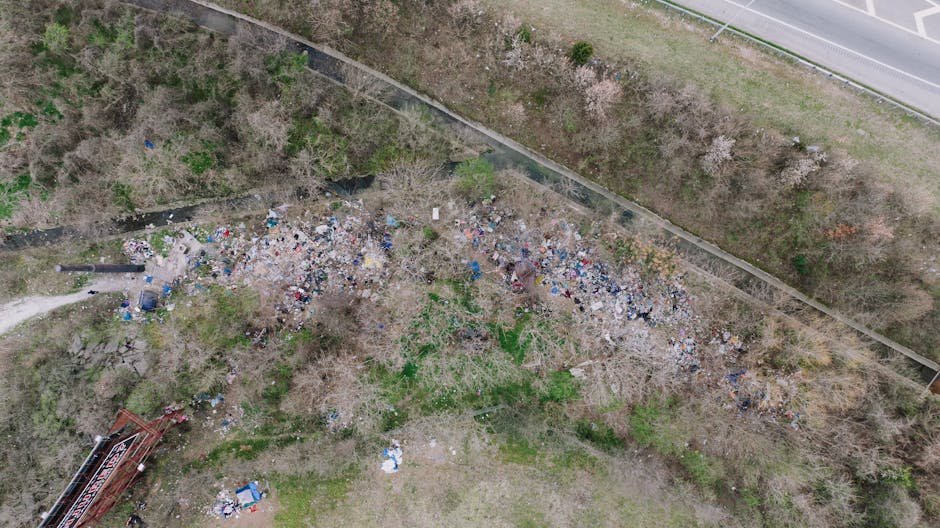
Mayow Park sits in a part of South London where gardens are often compact, well-used, and a bit mixed up in terms of layout. One weekend of pruning and you can end up with a surprising amount of material: branches, grass cuttings, roots, old compost, plastic tubs, and sometimes general rubbish that has been hiding behind a shed for months. The result is not just visual clutter. It can block access, attract pests, and make outdoor spaces harder to use properly.
Good garden waste rubbish removal matters because outdoor waste is rarely just "green waste". In real life, it often comes with awkward extras. A broken fence panel. Some rotted timber. Rusty tools. Old bags of topsoil. A few cracked pots that should have been recycled years ago. If you wait too long, the pile gets damp, heavy, and messy. And in a rainy Forest Hill spell, that mess can turn into a slippery little corner of trouble, which nobody wants.
There is also a practical side. Clearing waste quickly means you can get on with the next job: replanting, laying turf, repairing a border, or just enjoying the garden again. For landlords, homeowners, and local tradespeople, it also helps keep properties presentable and safer to move through.
If the job has grown beyond simple pruning waste, the broader waste removal option is often worth considering, especially where household rubbish and garden debris are mixed together.
In our experience, the biggest delay is rarely the removal itself. It is sorting the pile properly before collection. A little organisation at the start saves a lot of head-scratching later.
How Mayow Park garden waste rubbish removal Forest Hill works
The process is usually straightforward, but it helps to understand the moving parts. At its simplest, garden waste removal involves collecting organic and related outdoor waste from your property, loading it safely, and taking it for responsible processing. If the load includes non-garden items, those are separated so they can be handled appropriately. Simple enough. In theory.
Most collections begin with a rough assessment of volume and access. A narrow path, a shared entrance, a flight of steps, or a rear garden with no direct vehicle access can all affect the best method. If the waste is already bagged and stacked neatly, the collection tends to be faster. If it is spread across the lawn under half a tarp and three rain-soaked sheets, it will take longer. That is just life, really.
Here is the typical sequence:
- Identify the waste types: grass cuttings, hedge trimmings, branches, soil, broken pots, mixed rubbish, and any items that need separate handling.
- Separate anything hazardous or unsuitable for garden waste collection, such as chemicals, paints, batteries, sharp metal, or broken glass.
- Gather waste into manageable piles or bags so loading is quicker and safer.
- Confirm access and collection timing, especially if parking space is limited or the property is tucked away off a busy road.
- Load and remove the waste, then route it to the correct disposal or recycling process.
If you are also clearing out a side return, shed, or garage as part of the same job, it can make sense to bundle the work with a garage clearance or a more general home service. That way, you do not end up paying for separate visits when one practical sweep would do.
For booking and scheduling, the easiest route is often the online booking option, especially if you already know what you need removed and want a quick turnaround.
Key benefits and practical advantages
The obvious benefit is that your garden gets cleared. But there is more to it than that. The real value of Mayow Park garden waste rubbish removal Forest Hill is how it simplifies the whole job from start to finish.
- It saves time: no repeated trips to a tip, no loading a car full of damp clippings, no waiting around all afternoon.
- It reduces mess: one controlled collection is cleaner than trying to manage scattered piles over several days.
- It helps with safety: a tidy outdoor space reduces trip hazards, exposed nails, hidden glass, and awkward stacked branches.
- It supports better use of the garden: once waste is gone, you can actually use the space rather than working around it.
- It is useful for mixed waste: many garden jobs produce more than organic waste, and separating everything yourself can be tedious.
- It can be kinder to the environment: when waste is sorted properly, more of it can be recycled or processed responsibly.
There is also the emotional side. A cluttered garden can quietly nag at you every time you look out the window. A cleared one feels lighter. Brighter, even on a grey afternoon. Small thing? Maybe. But it matters.
If your outdoor project has generated a pile of mixed material, you may also want to review the company's recycling and sustainability approach so you know how reusable or recyclable items are typically handled.
Who this is for and when it makes sense
This service is useful for a wide range of people in Forest Hill and the surrounding area. Some need it for a one-off seasonal clear-out. Others use it as part of a renovation, move, or ongoing property maintenance routine. The common thread is simple: there is more waste than you want to handle yourself, and the collection needs to be dealt with properly.
It makes sense if you are:
- a homeowner clearing a garden after pruning, planting, or landscaping
- a landlord preparing a property between tenancies
- a tenant leaving a flat with some outdoor waste to dispose of
- a gardener or landscaper finishing a project and needing post-job clearance
- a business with an outdoor area, yard, or frontage that has accumulated rubbish
- someone with limited time, limited transport, or limited ability to lift heavy bags
It is especially handy after bigger jobs like hedge reductions, border reshaping, tree branch removal, or shed clearance. Once you start sorting the waste, you often discover the volume is far greater than expected. The famous "it'll fit in the boot" theory collapses quickly. Happens to the best of us.
For outdoor overhauls where there are also old fixtures, damaged furniture, or bits of household debris, a broader home clearance can be the smarter choice. It avoids trying to force mixed rubbish into a garden-only plan.
Step-by-step guidance
If you want a smooth collection, a bit of prep goes a long way. Here is a practical approach that works well for most small and medium jobs.
1. Walk the garden and sort the waste
Start with a proper look around. Separate soft green waste from woody material, then pick out anything that does not belong. Old plant pots, broken tools, plastic containers, faded decorations, bags of soil, and bits of fencing all need different handling.
2. Remove anything hazardous
If you spot chemicals, pressurised containers, sharp metal, or anything you would not want to handle with bare hands, set it aside. Certain materials may require specialist disposal. If you are unsure, it is safer to ask before mixing it into the load. For more sensitive items, the site's hazardous waste disposal information is the better place to check.
3. Bag or bundle the waste
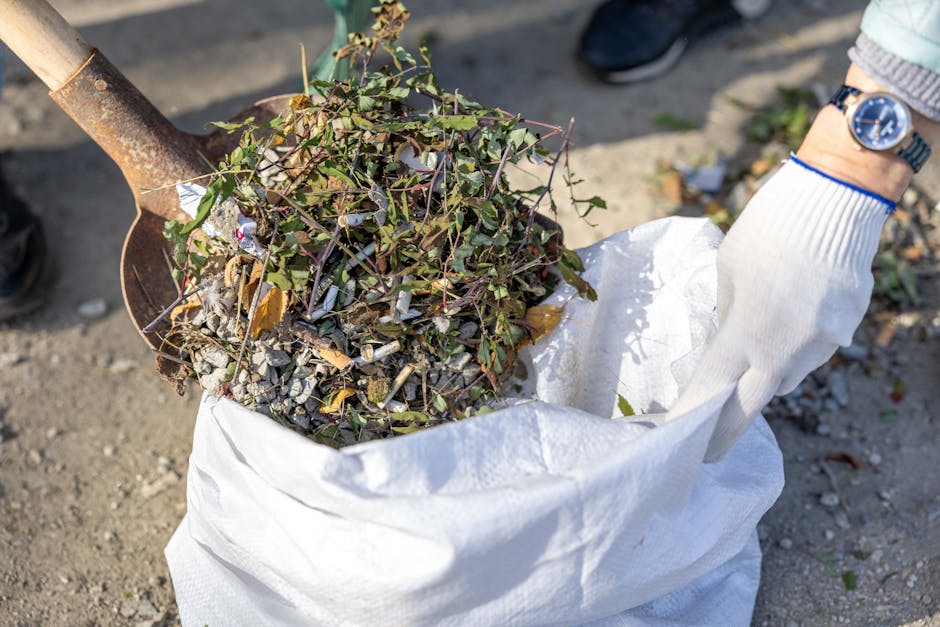
Neat piles are faster to collect and easier to move. Branches can be tied into manageable bundles. Light green waste can go into bags. Heavy soil should be placed in sturdy containers so the load does not split halfway across the path, which is never fun.
4. Clear a route for access
Make sure the team can move safely from the garden to the vehicle or collection point. Open gates. Move cars if needed. Lift loose items that could cause a trip. If the access route is tight, mention it in advance so the collection is planned properly.
5. Confirm the scope
Be clear about whether you are removing only garden waste or also mixed rubbish, furniture, or old appliances. That avoids surprises on the day and keeps things fair for everyone.
6. Ask about payment and booking details
Before you commit, check how quotes are handled and what is included. The pricing and quotes page is a useful reference point if you want a better sense of how estimates are typically structured.
7. Keep the area ready
If the waste is in a rear garden, try to keep it dry and contained before collection. Wet soil and soggy clippings get heavier fast. A tarpaulin can help, but do not overdo the wrapping. You still want access, not a small archaeological dig.
Expert tips for better results
A few small choices make a surprisingly big difference. These are the bits people often miss when they are rushing.
- Deal with soil separately: soil is heavy, and even a modest pile can eat up load space quickly.
- Trim branches before collection: shorter lengths are easier to stack and safer to carry through narrow spaces.
- Keep green waste away from household rubbish: mixed loads are harder to process and often more expensive to manage.
- Watch for hidden extras: old decking offcuts, broken ornaments, and scraps of wire often appear only after the main pile is moved.
- Check access at both ends: not just the garden gate, but where the vehicle can safely park.
- Use dry bags where possible: they are easier to lift and less likely to tear.
One practical tip people underestimate: if you are doing any cutting yourself before the removal, do the light work first and leave the awkward heavy lifting until you know what needs to go. There is no sense in double handling the same branch three times. Been there, regretted it.
If the job is part of a larger clear-out, you may also find value in the what can go in a skip guide, even if you are not hiring a skip. It helps you think through what can be mixed, what should not, and where the boundaries usually sit.
Common mistakes to avoid
Garden waste removal sounds simple until one of the usual mistakes slows everything down. A little caution here saves hassle later.
- Mixing everything together: organic waste, general rubbish, and restricted items should not all end up in one heap.
- Leaving soil loose: it spreads, gets wet, and is a pain to lift safely.
- Ignoring access problems: a blocked path or parked car can turn a quick job into a slow one.
- Underestimating volume: branches and clippings compress differently; what looks small can fill a load fast.
- Forgetting about sharp or hazardous items: broken glass, rusty metal, and chemical containers need care.
- Waiting until the garden is overflowing: by then, waste is heavier, messier, and harder to sort.
A subtle one: people often assume all "green" material can be removed the same way. Not quite. Grass cuttings, woody prunings, roots, and contaminated garden waste may be treated differently depending on condition and composition. That is why describing the waste clearly matters.
Tools, resources and recommendations
You do not need a shed full of gear to prepare well, but a few basic tools make the process smoother.
- Heavy-duty garden sacks: good for cuttings, leaves, and smaller debris.
- Tarpaulin: useful for covering a pile if rain is on the way.
- Pruning shears or loppers: handy for reducing branch size before collection.
- Gloves: simple, but essential when there are thorns, splinters, or hidden sharp edges.
- Wheelbarrow or garden trolley: practical for moving loads from the back garden to the front.
- Stiff broom or rake: ideal for the final tidy-up once the main waste is gone.
For broader service planning, the site's about us page is useful if you want to understand the approach behind the service, while health and safety policy and insurance and safety matter if you are comparing providers and want some reassurance on standards.
If you are managing waste for a workplace or shared building rather than a private garden, the business waste removal page may also be relevant, especially where outdoor waste sits alongside office or commercial rubbish.
Law, compliance, standards and best practice
Garden waste removal in the UK is not just about getting rid of things quickly. It should be handled with care, legal compliance, and a sensible approach to sorting and transport. Without getting overly technical, the key point is this: waste should be collected, carried, and processed by people who know what they are doing, especially if the load includes mixed or potentially restricted materials.
Best practice usually means:
- separating recyclable or compostable material where possible
- avoiding contamination of green waste with hazardous or non-recyclable items
- making sure waste is transported securely
- using clear descriptions so the load is handled correctly
- keeping access safe for both the household and the collection crew
If something may count as hazardous, do not guess. That is the short version. Garden projects sometimes uncover old tins, treatment products, or materials that do not belong in normal green waste. It is better to pause for a minute than to create a disposal problem that takes longer to undo.
For customers who value responsible handling, the company's modern slavery statement and payment and security pages can also help build trust around business practices and customer protections.
Options, methods, and comparison table
There is more than one way to deal with garden waste. The right method depends on volume, waste type, access, and how much time you want to spend on it yourself.
| Option | Best for | Advantages | Drawbacks |
|---|---|---|---|
| DIY trips to the tip | Very small loads | Low direct cost if you already have transport | Time-consuming, messy, and awkward for bulky or wet waste |
| Skip hire | Larger projects and ongoing work | Useful for repeated loading over several days | Needs space, planning, and a good understanding of what can go in |
| Garden waste collection | Cuttings, branches, soil, and mixed outdoor waste | Quick, convenient, and usually less disruptive | Less suitable if you want to load waste gradually over time |
| Full garden clearance | Overgrown gardens, mixed rubbish, or major tidy-ups | Covers the messy bits too, not just green waste | May be more than you need for a very small job |
If you are not sure which route fits best, think in terms of effort rather than just cost. A cheap option that eats up half your weekend is not always cheap in real life. Sometimes the simplest route is the one that feels best when the dust settles.
For deeper garden-only jobs, the dedicated garden clearance service is usually the most relevant starting point. If you have a mix of old furniture, clutter, and outdoor debris, then a broader furniture clearance or furniture disposal may help alongside it.
Case study or real-world example
Imagine a typical Forest Hill back garden after a spring tidy-up. The hedge has been cut back, the lawn has been edged, and there is a pile of branches near the fence. Alongside it sit three old plant pots, a cracked garden chair, two sacks of soil, and some general rubbish that had been hiding behind the shed. Nothing outrageous, but enough to make the space feel blocked.
Rather than making multiple trips, the waste is sorted into three groups: green cuttings, heavy soil, and mixed rubbish. The branches are shortened, the loose soil is bagged properly, and the chair is set aside with the other non-organic items. Access through the side gate is checked, a path is cleared, and the load is ready. What looked like an all-day headache becomes a tidy, manageable collection.
That is the real value here. Not magic. Just sensible sorting, good timing, and a method that fits the job. By late afternoon, the garden feels usable again, and the next phase of the project can begin without working around a pile of damp debris.
If the clean-up involves more than outdoor debris, you could also consider house clearance or loft clearance if internal spaces are being tackled at the same time. That is often the more efficient route in real homes.
Practical checklist
Use this before collection day. It keeps things calm, and yes, calm is underrated when you are dealing with a hedge pile.
- Separate green waste from general rubbish
- Remove hazardous items, sharp objects, and chemicals
- Bag loose clippings and contain soil securely
- Cut large branches into manageable lengths
- Check access through gates, side passages, and driveways
- Clear parked cars or obstacles if needed
- Confirm whether the collection is garden-only or mixed waste
- Keep waste dry where possible
- Ask about pricing and what is included
- Make sure the area is safe for loading
Helpful reminder: if the job starts to look bigger than expected, that is normal. It does not mean you misjudged it badly. Gardens are sneaky like that.
Get a free quote today and see how much you can save.
Conclusion
Mayow Park garden waste rubbish removal Forest Hill is at its best when it is handled simply, safely, and with a bit of forethought. The key is not to overcomplicate it. Sort the waste, separate the risky bits, check access, and choose a service that matches the actual size of the job rather than the hopeful version in your head.
For small tidy-ups, a straightforward collection is often enough. For bigger clear-outs, mixed rubbish, or gardens that need a proper reset, a fuller clearance service makes life a lot easier. Either way, the payoff is real: a cleaner garden, less stress, and one less job hanging around in the background.
And honestly, there is something quietly satisfying about seeing a garden return to itself. Fresh air, open space, fewer bags by the fence. A good clear-out can shift the whole feel of a home, even if it starts with a very grubby pile in the corner.
Frequently Asked Questions
What counts as garden waste in Forest Hill collections?
Garden waste usually includes grass cuttings, hedge trimmings, branches, leaves, weeds, small roots, and similar organic material. It may also include some outdoor debris such as plant pots or broken wooden items, depending on the service. Mixed rubbish is normally handled separately.
Can I mix garden waste with household rubbish?
Not ideally. Garden waste and household rubbish are usually treated differently, and mixing them can make removal slower or less efficient. If you have both, it is better to tell the provider in advance so the collection can be planned properly.
Do I need to bag everything before collection?
Bagging is not always required, but it helps. Loose clippings, soil, and small debris are much easier to collect when they are contained. Branches are often better bundled, and heavier waste should be packed into strong bags or tubs.
What if my garden waste includes soil or turf?
Soil and turf are usually dealt with as part of the collection, but they are heavy and can affect the size of load you need. It is wise to mention them early because a small-looking pile of soil can weigh far more than people expect.
Can you remove old garden furniture too?
Yes, if the service is set up for mixed outdoor waste or clearance work. Old chairs, tables, and broken planters often sit alongside garden waste, so it can be more practical to remove them together rather than in separate visits.
How quickly can garden waste be collected?
That depends on availability, access, and how much waste you have. Small jobs can often be arranged fairly quickly, while larger or mixed clearances may need a little more planning. Booking online can speed up the process.
Is it better to hire a skip or book a collection?
It depends on the job. A skip is useful if you want to load waste over several days. A collection is often better if you want the waste taken away in one go and do not have space for a skip. If the load is mainly green waste, a collection is often the easier option.
What should I do with hazardous garden items?
Hazardous items such as chemicals, paint tins, fuel containers, or sharp contaminated materials should not be mixed into normal garden waste. They need separate handling, so check the hazardous waste guidance before setting them aside for removal.
Will the team take waste from a rear garden with awkward access?
Often yes, but access details matter. Narrow paths, steps, shared entrances, and long carries can all affect the arrangement. It helps to be honest about access in advance so the collection is safe and realistic.
How can I make my quote more accurate?
Be specific about the type of waste, how much there is, whether it is bagged, and whether access is easy or restricted. Clear information usually leads to a more reliable estimate and fewer surprises on the day.
What happens to the waste after collection?
That depends on the material. Clean green waste is usually separated for appropriate processing, while other items are handled according to their type. Responsible sorting is a big part of reducing landfill use and keeping disposal compliant.
What if I have more than just garden waste?
If you also have furniture, appliances, or household clutter, it may be better to use a broader clearance service rather than a garden-only collection. That often saves time and avoids splitting a single job into several smaller ones.
For more background on how the business operates, you can also read the about us page or check the contact us page if you want to ask something specific before booking.